
Funeral celebrants, rather than vicars or priests, are still, for many, somewhat of a novelty. Here’s an in-depth look at the things a funeral celebrant does behind the scenes as they prepare for a funeral ceremony.
Things a Funeral Celebrant Does Before a Ceremony
1. A House Visit

The first step for all good celebrants when they are asked to preside over a funeral ceremony is to visit the house of the bereaved. This achieves several goals: firstly, it allows the celebrant to become acquainted with the family, and perhaps more importantly, for the family to become acquainted with the celebrant. Building a strong, trusting relationship is key in a situation like this, because the celebrant needs the family to open up about the life of the deceased, while the family needs to know that the celebrant can be relied upon to deliver the right sort of ceremony for their loved one.
Secondly, it allows the celebrant to learn more about the deceased – and their family – in order to put together a ceremony tailored to them. Not only will the celebrant ask poignant questions in order to elicit relevant feedback from the family about the deceased, but they will also ask the family what sort of poems, readings, and if applicable, hymns they would like in the ceremony. This is all done to ensure that the ceremony will be a memorable one.
2. A Draft Ceremony

Once the house visit is complete, the celebrant will then proceed to produce a draft ceremony. This is the heart of a celebrant’s work; they will spend the majority of their time crafting the ceremony to be delivered.
The best funeral celebrants will craft a unique ceremony for every single family they are working for. While some funerals can be very simple and middle-of-the-road – there is, of course, nothing wrong with this – some lives have special aspects to them that the celebrant may feel the need to highlight and reinforce throughout the service.
As an example, the deceased may have been a keen diver, and their hero might have been Jacques Cousteau. As a result, the celebrant may suggest using Cousteau quotes as part of the eulogy, using marine-related poems and readings, and perhaps even cracking a sea-based pun or two during the ceremony.
3. Select Readings

Part of the ceremony draft might be suggesting readers and readings, too. Often, the eulogy will intertwine with the readings – for example, the first part of the eulogy may be about the deceased’s early life and education, which may be followed up by a reading given by one of the deceased’s old school friends. This, alongside the uniquely-tailored ceremony, can often help the ceremony flow pleasantly and allow attendees a level of consistency they might not get elsewhere.
4. Unlimited Edits

Most celebrants will offer the family an unlimited amount of edits to the ceremony and its format right up until the day of the funeral. This, of course, varies depending on the length of time between the initial interview and the day of the ceremony – a funeral done very quickly will only allow for a limited number of edits to the script, while a funeral two weeks from the first meeting has far more flexibility.
This is done to ensure that the words spoken throughout the services are exactly as the family would like them to be. Celebrants aren’t perfect, and the first draft can have flaws; with enough back and forth between the family and the celebrant, the ceremony delivered on the day will be as close to perfection as possible and will be a fitting and memorable way to honour the life of the deceased.
5. Liaison with the Funeral Director
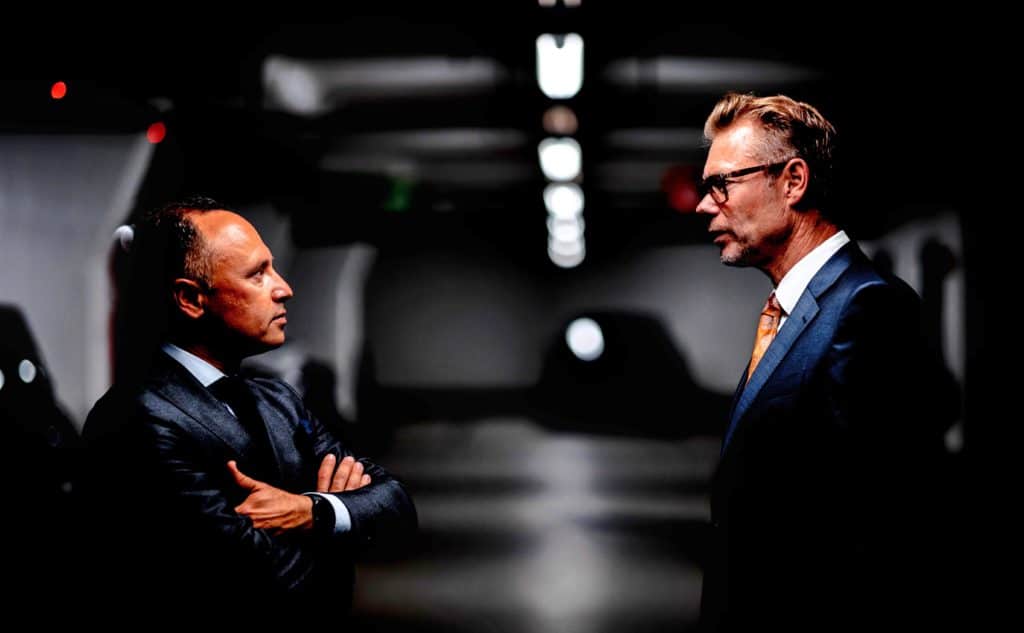
It is highly likely that the family of the deceased will have employed a funeral director to deal with most, if not all, of the arrangements ahead of the funeral. It’s also very possible that the celebrant’s involvement in the ceremony came after a recommendation from the funeral director. It goes without saying, then, that in these cases, one of the things a funeral celebrant does is liaise with the funeral director.
The funeral director is more behind-the-scenes and organisation-focused, while the celebrant is more visible and creative. But the two will need to work well as a team to ensure that communal tasks are completed: for example, organising and sourcing the music for the processional, reflection, and recessional, ensuring the ceremony runs on time, and supporting the family throughout the entire process. This brings us to our final point.
6. Offer Constant and Continuous Support

When a loved one passes, it is a difficult time. While neither funeral directors nor funeral celebrants are trained therapists, they do have more experience than most at handling grief. Celebrants, as part of the process, will provide peer support to the family of the deceased and will have a soft and subtle manner which with to approach any sensitive subject that may crop up.
This support is not limited to emotional support. Family members who wish to give a reading during the service may need encouragement before – and praise after – standing up and speaking in front of tens, if not hundreds of people they may not know. You will often find celebrants saying warm, supportive words to the family and upcoming readers shortly before the ceremony begins, to let them know that if all else fails, the celebrant has their back.
Should you require a celebrant for the funeral of a loved one, do not hesitate to get in touch. You can use our contact form, email markyouroccasion@gmail.com, or call/WhatsApp using +447928829773.